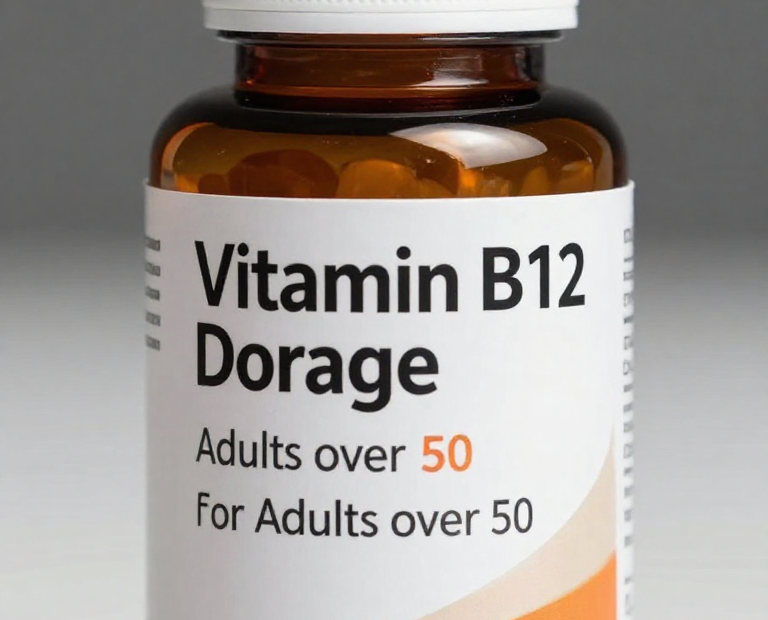
Essential Vitamin B12 Dosage Guidelines for Adults Over 50
As we age, our nutritional needs change significantly, particularly for adults over the age of 50. One crucial vitamin that often requires special attention is Vitamin B12. This vitamin helps maintain nerve cells, supports brain health, and is involved in the production of DNA and red blood cells. Knowing the correct dosage of Vitamin B12 is essential for older adults to ensure optimal health and prevent deficiencies.
For adults aged 50 and above, the recommended dietary allowance (RDA) for Vitamin B12 is typically 2.4 micrograms (mcg) per day. This requirement can increase based on certain health conditions, lifestyle choices, and dietary habits. Here are some important factors to consider:
- Dietary Sources: Those who consume a well-balanced diet rich in animal products may receive enough B12 without supplements. Foods such as meat, fish, dairy products, and eggs are excellent sources. However, strict vegetarians and vegans may need fortified foods or supplements.
- Absorption Issues: As you reach your 50s and beyond, your body may experience a decrease in the ability to absorb Vitamin B12 due to reduced stomach acid production. This can lead to a higher risk of deficiency, even with adequate dietary intake.
- Health Conditions: Certain health issues—like gastrointestinal disorders, diabetes, or autoimmune conditions—can impact B12 absorption. If you have a chronic condition, it might be wise to consult a healthcare provider about your B12 levels.
- Medications: Some medications, particularly those that reduce stomach acid or are used for diabetes, can interfere with B12 absorption. Speak to your doctor if you are on medications that may affect your B12 levels.
If you suspect you may not be getting enough Vitamin B12, testing your levels is a smart move. Deficiency symptoms can include fatigue, weakness, memory loss, and mood changes. In severe cases, it can lead to neurological issues. If you do show signs of a deficiency, most healthcare providers recommend supplementation.
When considering supplementation, here are typical options available:
- Oral Supplements: Many adults find that taking oral supplements of 500-1000 mcg per day ensures adequate intake, especially if dietary sources are insufficient.
- Liquid or Sublingual Forms: These forms may be preferable for individuals experiencing absorption issues, as they can be absorbed directly into the bloodstream.
- Injections: For those with severe deficiencies or absorption problems, vitamin B12 injections may be recommended to bring levels up quickly and effectively.
It’s important to remember that not all Vitamin B12 is created equal. The two primary forms of this vitamin are methylcobalamin and cyanocobalamin. While both are effective, some studies suggest that methylcobalamin may be better absorbed and utilized by the body. Therefore, it might be worth exploring which form works best for you.
Before starting any supplementation, it’s best to discuss it with your healthcare provider. They can provide guidance based on your personal health history, dietary habits, and overall nutritional needs. This ensures you get the correct dosage and form of Vitamin B12 that suits your lifestyle.
Maintaining adequate Vitamin B12 levels is key to ensuring your health in your 50s and beyond. By understanding your needs and taking appropriate action, you can maintain your vigor and vitality.
The Importance of Vitamin B12 for Senior Health and Well-being
As we age, our bodies undergo various changes that impact our health. One of the essential nutrients that play a crucial role in maintaining our well-being, especially for those over 50, is Vitamin B12. This vitamin is vital for multiple bodily functions, and understanding its importance is key for seniors looking to lead a healthier life.
What is Vitamin B12?
Vitamin B12, also known as cobalamin, is a water-soluble vitamin that is crucial for red blood cell formation, nerve function, and DNA synthesis. It is primarily obtained from animal-based foods such as fish, meat, eggs, and dairy products. For seniors, who may have dietary restrictions or decreased absorption rates, ensuring adequate Vitamin B12 levels is even more essential.
Why is Vitamin B12 Important for Seniors?
The importance of Vitamin B12 for seniors cannot be overstated. Here are several reasons why this vitamin is particularly vital:
- Nerve Health: Vitamin B12 is essential for maintaining the health of nerve cells. It helps produce myelin, the protective sheath that covers nerves. A deficiency can lead to neurological issues, such as numbness or tingling.
- Red Blood Cell Formation: Adequate levels of B12 are necessary for producing healthy red blood cells that carry oxygen throughout the body. Low B12 can lead to anemia, causing fatigue and weakness.
- Brain Function: B12 supports cognitive function. Deficiency has been linked to memory problems or even cognitive decline and dementia in some cases.
- Energy Production: This vitamin plays a critical role in converting food into energy. A lack of it can contribute to feelings of tiredness and lethargy.
Signs of Vitamin B12 Deficiency
Understanding the signs of Vitamin B12 deficiency is crucial for older adults. Common symptoms may include:
- Fatigue and weakness
- Pale or jaundiced skin
- Numbness or tingling in hands and feet
- Balance issues
- Memory loss or cognitive difficulties
- Mood changes, including depression or anxiety
How Much Vitamin B12 Do You Need?
The recommended dietary allowance (RDA) for Vitamin B12 differs by age and health status. For adults over 50, the recommendation is generally increased to 2.4 micrograms per day. This increase aims to account for decreased absorption in older adults. However, many health professionals advise that individuals may require higher amounts, particularly if they follow a vegetarian or vegan diet, which is often lower in B12.
Best Sources of Vitamin B12
Getting enough Vitamin B12 through diet is crucial. Here are some excellent sources:
- Meat, especially liver and beef
- Fish, such as trout and salmon
- Poultry, including chicken and turkey
- Dairy products, like milk and yogurt
- Eggs
- Fortified cereals and plant-based milk alternatives
Supplementation
For seniors who may struggle to meet their B12 needs through food alone, supplements can be beneficial. Vitamin B12 supplements are available in various forms, including tablets, sublinguals (dissolved under the tongue), and injections. Speak with a healthcare provider to determine the best option and dosage for your individual needs.
Regular Check-ups
Regular health check-ups are essential for monitoring Vitamin B12 levels. Blood tests can help determine if you’re deficient and ensure that you stay within the optimal range. Discuss with your healthcare provider the best strategies to maintain healthy B12 levels as you age.
Vitamin B12 is critical for maintaining health and well-being for seniors. By understanding its importance and ensuring adequate intake through diet or supplements, older adults can support their nerve health, energy levels, and overall quality of life. Prioritizing this essential vitamin will facilitate a more active and vibrant lifestyle as you age.
Conclusion
Understanding the essential vitamin B12 dosage guidelines for adults over 50 is crucial for maintaining optimal health and well-being as we age. Proper intake of this vital nutrient helps prevent common deficiencies that can lead to various health issues, such as fatigue, memory problems, and even nerve damage. It is particularly important for seniors, as their bodies often absorb nutrients differently, and dietary sources may not always provide sufficient amounts of B12.
Vitamin B12 into your daily routine can significantly enhance your overall quality of life. For adults aged 50 and older, the recommended dietary allowance is typically set at 2.4 micrograms per day. However, individual needs may vary based on factors such as existing health conditions, lifestyle choices, and dietary preferences. For those who may struggle to obtain enough B12 from food sources, supplements could serve as a helpful alternative.
Maintaining adequate levels of vitamin B12 directly contributes to energy, cognitive function, and a healthy immune system, enabling you to enjoy a more active and fulfilling life. Whether through fortified foods, animal products, or supplements, prioritizing this essential vitamin can lead to a healthier aging process. Regular check-ups with your healthcare provider can help tailor a B12 strategy that suits your unique needs, ensuring that you stay vibrant and engaged during your golden years. Taking control of your vitamin B12 intake is a simple yet powerful step toward promoting longevity and wellness.