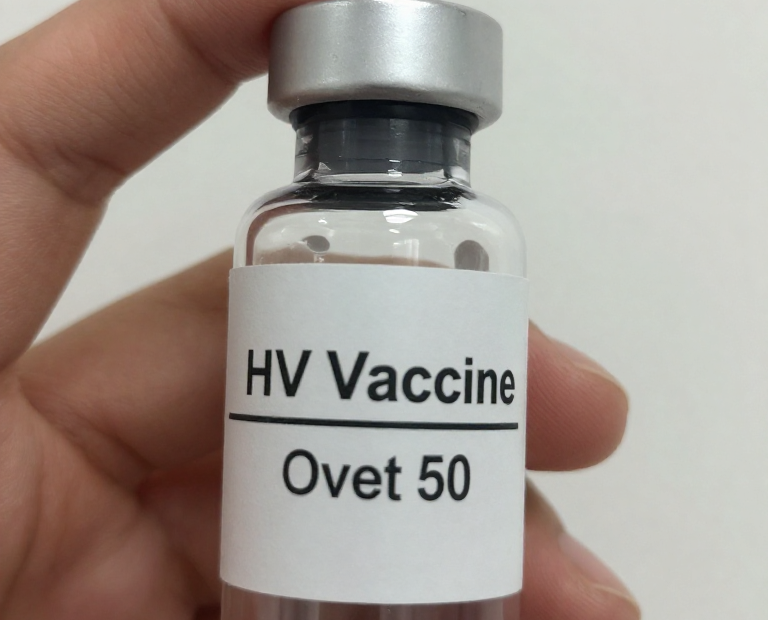
The Benefits of the HPV Vaccine for Individuals Over 50
The HPV vaccine is often associated with younger individuals, but it holds significant benefits for those over 50 as well. Many people are unaware that the HPV virus can affect them later in life, making vaccination a crucial discussion. This vaccine can help protect against potential health risks associated with the human papillomavirus, even for older adults.
As you age, your immune system may weaken. This is relevant because HPV is often asymptomatic but can lead to serious health issues if left unchecked. The HPV vaccine can help reduce the risk of developing various cancers, including cervical, anal, and head and neck cancers. Regardless of your age, it’s essential to consider your health and future well-being.
The Importance of Vaccination
Vaccination is part of preventive health care. For adults over 50, staying proactive about health can mean the difference between catching issues early or facing severe complications later. Here is how the HPV vaccine provides important health benefits:
- Reduces Cancer Risk: The primary benefit of the HPV vaccine is its ability to significantly decrease the likelihood of developing HPV-related cancers.
- Protects Against Multiple Strains: The vaccine targets several strains of HPV. This broad coverage helps build your defenses against various infections that could lead to serious complications.
- Promotes Awareness: Getting vaccinated can lead to more discussions about sexual health and screenings, promoting a healthier attitude toward regular check-ups.
While the HPV vaccine is most effective when administered before the onset of sexual activity, those over 50 still stand to gain. Even if you are no longer sexually active, being vaccinated can protect against reactivation of dormant viruses linked to potential precancerous lesions.
Addressing Common Myths
There are several misconceptions regarding the HPV vaccine for older adults. Here, we’ll address some common myths:
- Only Young People Need It: Many believe that only younger individuals benefit from the vaccine. However, older adults can still be at risk.
- I’m Too Old for Vaccination: The CDC recommends the vaccine for certain adults up to age 45, but age 50 and beyond still hold advantages for those looking to protect their health.
- I’m Not At Risk: HPV is more common than many realize. Anyone can contract the virus, emphasizing the importance of vaccination.
Individuals over 50 should consult with their healthcare provider to discuss their vaccination options. A tailored approach can provide insights into what vaccinations might be most beneficial.
How the Vaccine Works
The HPV vaccine works by prompting your immune system to create a defense against the virus. By doing so, it reduces the chances of getting infections that are linked to HPV. It is administered typically in two or three doses, depending on your age when you receive it. The process is straightforward and takes only a few moments.
During your appointment, your healthcare provider will assess your medical history to ensure it’s safe for you to receive the vaccine. If you have certain health conditions or concerns, make those known to facilitate an informed decision.
A Broader Perspective on Health
The HPV vaccine is just one element of a broader health plan. For those over 50, it is crucial to stay vigilant about various health screenings, including regular check-ups and cancer screenings. Engaging in a healthy lifestyle, maintaining a balanced diet, and staying active are all essential components of overall health.
The HPV vaccine into your health regimen can bolster your immune defenses. It acts as another layer of protection, potentially safeguarding against cancers linked to HPV.
Ultimately, discussing the HPV vaccine with your healthcare provider can provide clarity on the benefits and risks specifically related to your health status. Don’t hesitate to ask questions so you can make informed choices about your health.
Take control of your health today by considering the HPV vaccine as a preventive measure that can benefit you now and in the future.
Addressing Common Myths About the HPV Vaccine in Older Adults
As more people learn about the importance of vaccinations, many have questions regarding the HPV vaccine, particularly for individuals over 50. Common misconceptions can sometimes cloud judgment, leading to hesitance in seeking this important shot. Let’s take a closer look at these myths to provide clarity and encourage informed decisions.
The HPV vaccine is primarily known for preventing certain types of cancers linked to the human papillomavirus (HPV). While it’s often associated with younger individuals, it isn’t limited to just them. One major myth is that the HPV vaccine is only beneficial for those under 26 years of age. In reality, people aged 27 to 45 can also receive the vaccine, although it’s important to consult with a healthcare provider to determine the best course of action. Vaccination can still offer protective benefits even in older adults.
Some believe that if they didn’t receive the vaccine in their youth, it’s too late to get vaccinated now. This is incorrect. HPV can affect adults at any age, and those who have not been previously vaccinated can still benefit from the shot. The vaccine protects against HPV strains that may lead to various cancers, including cervical, anal, and oropharyngeal cancers. Therefore, receiving the vaccine later in life can provide essential protective effects.
Another common myth is the belief that older adults are past the age of contracting HPV. While it’s true that younger individuals are at a higher risk of HPV infection, older adults are not entirely immune. Many individuals in the 50-plus age group may not have had sexual education or access to preventive care earlier in life. This could leave them susceptible to HPV and its associated health risks.
Concerns regarding vaccine safety often arise. Some people worry that the HPV vaccine might have serious side effects, which can deter them from getting vaccinated. However, extensive research has repeatedly shown that the HPV vaccine is safe and well-tolerated among various age groups. Common side effects, like soreness at the injection site or mild fever, are usually short-lived and not severe. Serious adverse reactions are extremely rare, making the benefits of vaccination far outweigh the risks.
It’s also worth noting that many individuals fear that getting the vaccine will somehow give them an HPV infection. This is a complete myth. The vaccine contains inactivated virus components, meaning it cannot cause an infection. It simply works with your body’s immune system to provide protection against the strains of HPV that the vaccine targets.
For those wondering about the effectiveness of the vaccine for older adults, studies show that the HPV vaccine can still significantly reduce the risk of developing HPV-related health issues, even for individuals over 50. This makes vaccination a worthwhile consideration for anyone who is eligible. It’s never too late to take steps toward better health.
Here are some frequently asked questions concerning the HPV vaccine for older adults:
- Is the HPV vaccine recommended for adults over 50?
Yes, while it’s encouraged for younger individuals, adults between 27 and 45 can also receive the vaccine based on a discussion with their healthcare provider. - How effective is the vaccine in older adults?
Research indicates that the vaccine remains effective in reducing the risk of HPV-related diseases for older adults. - What are the side effects?
Common side effects include soreness at the injection site and mild fever, similar to many other vaccines.
Consultation with a healthcare professional is crucial. They can provide tailored recommendations and address any concerns you may have. There may also be health insurance considerations to keep in mind, as many plans cover the HPV vaccine for adults even at older ages.
Understanding the myths surrounding the HPV vaccine in older adults is vital for making informed health decisions. Dismissing misconceptions can empower you to protect your health and take proactive measures against HPV-related risks, regardless of age. Stay informed, and don’t hesitate to ask your doctor about the HPV vaccine and whether it’s appropriate for you.
Conclusion
Understanding the importance of the HPV vaccine for individuals over 50 can significantly impact your health journey. It’s clear that the vaccine offers essential benefits, such as reducing the risk of various cancers, including cervical, anal, and throat cancers, which can affect older adults. Even if you were previously unvaccinated, it’s not too late to consider getting the vaccine.
Addressing common myths and misconceptions about the HPV vaccine is vital in making informed health decisions. Many older adults believe that HPV is only a concern for younger people or that vaccination is unnecessary past a certain age. Yet, studies show that the risks of HPV-related diseases remain pertinent throughout life, making vaccination a valuable option for older adults.
By navigating through misleading information and emphasizing the vaccine’s benefits, you empower yourself to take control of your health. Engaging in conversations with your healthcare provider about the HPV vaccine can help clarify its relevance and efficacy, paving the way for preventive health measures that extend well into your golden years.
Prioritizing your health at any age is essential. With increased awareness and education about the HPV vaccine, you can make choices that not only enhance your well-being but also contribute to a healthier community. Don’t let age hold you back from this preventive opportunity; staying informed and proactive is key to a healthier future.